What does service size mean for your home's electrical capacity?
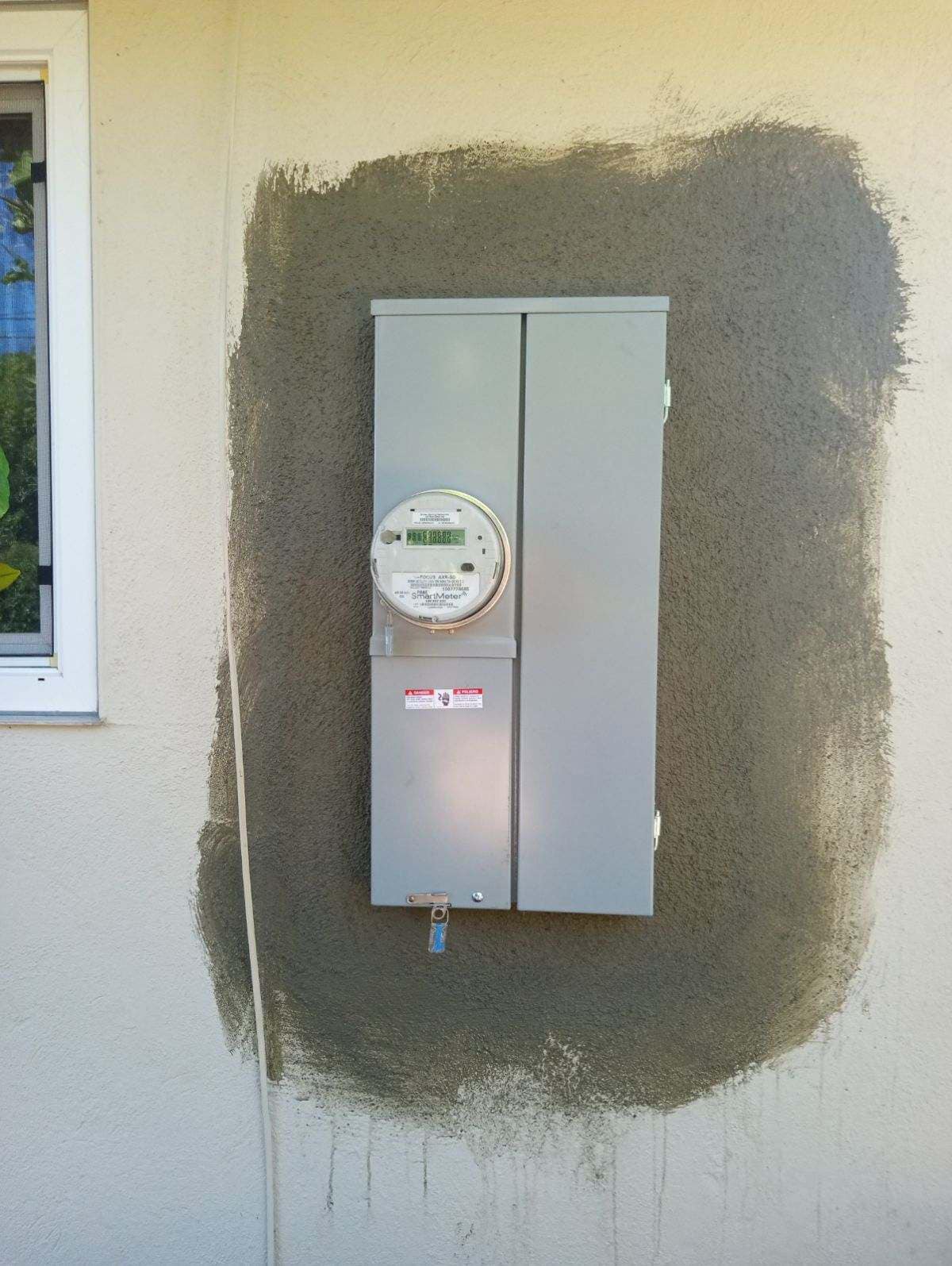
Your home's electrical service size is the maximum amount of power the utility can deliver through the main wires that enter your property. It is measured in amperes (amps) and determines how many devices and appliances you can run at the same time without overloading the system. When people talk about a residential panel upgrade, they are usually referring to increasing that service size so the home can handle more electrical load.
How service size works
The service size is set by the main breaker and the wires feeding your main electrical panel. A typical older home might have a 100-amp service, while newer homes often have 200 amps. The number tells you the maximum current that can flow before the main breaker trips and shuts off power to the whole house. Every circuit inside the home draws from this total allowance. If you add up the ratings of all the breakers in your panel, they will often exceed the service size, because not everything runs at full power at the same time. That is normal. But when you start adding large loads such as an electric vehicle charger, a heat pump, or a tankless water heater, the combined demand can push the service size to its limit.
Why service size matters for a panel upgrade
Upgrading a residential electrical panel is not just about swapping out an old box for a shiny new one. The real work is matching the panel's capacity to the home's actual electrical needs. A panel that is rated for 200 amps but connected to a 100-amp service will still trip the main breaker when the total load exceeds 100 amps. The service size is the bottleneck. To get more usable power, you often need to increase the service size, which means coordinating with the utility company to bring larger wires from the street to your meter, and then installing a larger main breaker and panel.
Load calculation: the starting point
Before any work begins, an electrician performs a load calculation. This adds up all the lights, receptacles, appliances, and any planned new equipment, then applies standard demand factors from the electrical code. The result tells you the minimum service size required. If your current service is 100 amps and the calculation says you need 150 amps, then a panel upgrade alone is not enough. You need a service upgrade as well. This is why the term "residential panel upgrade" often implies a broader capacity increase.
Dedicated circuits and subpanels
Even with a larger service size, some devices need their own dedicated circuit. An electric vehicle charger, for example, typically requires a 50-amp or 60-amp circuit all to itself. A heat pump might need its own 30-amp or 40-amp circuit. These dedicated circuits take a slice of the total service capacity. If you plan for several large loads, the service size must be big enough to supply them simultaneously, plus all the other normal loads in the house. Sometimes it makes sense to add a subpanel, which is a smaller panel fed from the main panel, to organise circuits in a remote part of the house or to keep high-power loads separate. A subpanel does not increase the service size, but it can simplify wiring and make future changes easier.
The trade-off with service size
A larger service size costs more to install and may require a higher monthly fee from the utility. It also means the main breaker is set higher, so a short circuit or overload could dump more fault current into the house before the breaker opens. That is why the service size must be carefully matched to the actual load, not just picked because bigger sounds better. An oversized service wastes money and can create unnecessary risk. An undersized service trips the main breaker when you run the dryer while charging the car and cooking dinner. The goal is to find the right size for your specific situation.
When expanding available electrical capacity makes sense
If you are adding an electric vehicle charger or switching from gas to a heat pump for heating and hot water, the home's electrical demand goes up significantly. These are the most common reasons homeowners look into a residential panel upgrade. But simply adding circuits to an existing panel that is already near its limit is not a safe solution. The breaker will trip, or worse, the wires and connections could overheat. The only proper fix is to increase the service size, which means expanding available electrical capacity at the point where the utility connects to your home. That phrase describes the core purpose of a service upgrade: you are not just replacing equipment, you are increasing the amount of power the home can draw from the grid.

Once the service size is larger, the main panel can be upgraded to match, and new circuits for the charger or heat pump can be added without overloading the system. This is also the time to consider future needs. If you might add solar panels or a battery storage system later, a slightly larger service size now can save a second upgrade later.
What to watch out for
Not every home can easily increase its service size. The utility may need to upgrade the transformer on the pole or run larger underground cables. There may be local rules about maximum service size for residential properties. And the main panel itself must be rated for the new service size. A 100-amp panel cannot be connected to a 200-amp service. The panel must be replaced with one that matches the new rating. This is another reason a residential panel upgrade is often a package deal: new service wires, new meter base, new main breaker, and new panel all at once.
If you are planning major electrical work, the first step is always a professional load calculation. An electrician can measure the existing load, discuss your plans, and tell you what service size you need. They will also check the condition of the existing wiring and panel to see if a full upgrade is necessary or if a smaller change will do.
Practical steps for homeowners
- List all the large appliances and devices you already have or plan to add. Include the electric vehicle charger, heat pump, air conditioner, oven, dryer, and any workshop tools.
- Find the rating of your current service size. It is written on the main breaker handle or on a label near the meter. Common sizes are 100, 125, 150, and 200 amps.
- Ask an electrician to perform a load calculation using your list. This will show whether your current service size is adequate or if you need an upgrade.
- If an upgrade is needed, contact the utility company early. The process can take weeks or months depending on their workload and any required infrastructure changes.
Keep in mind that expanding available electrical capacity is not just about adding more circuits. It is about making sure the entire system, from the utility connection to the last outlet, can handle the load safely and reliably. A properly sized service gives you the flexibility to use your home the way you want without worrying about tripped breakers or overheating wires.